Tech Breaking
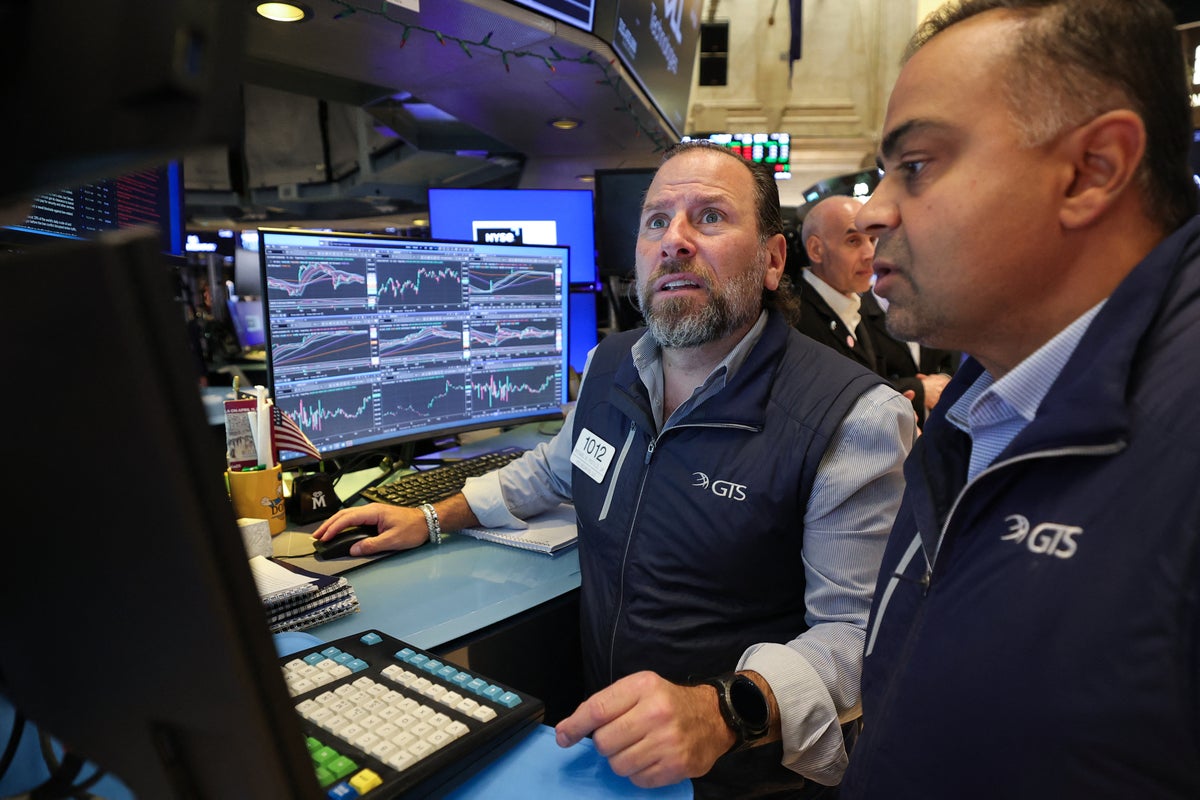
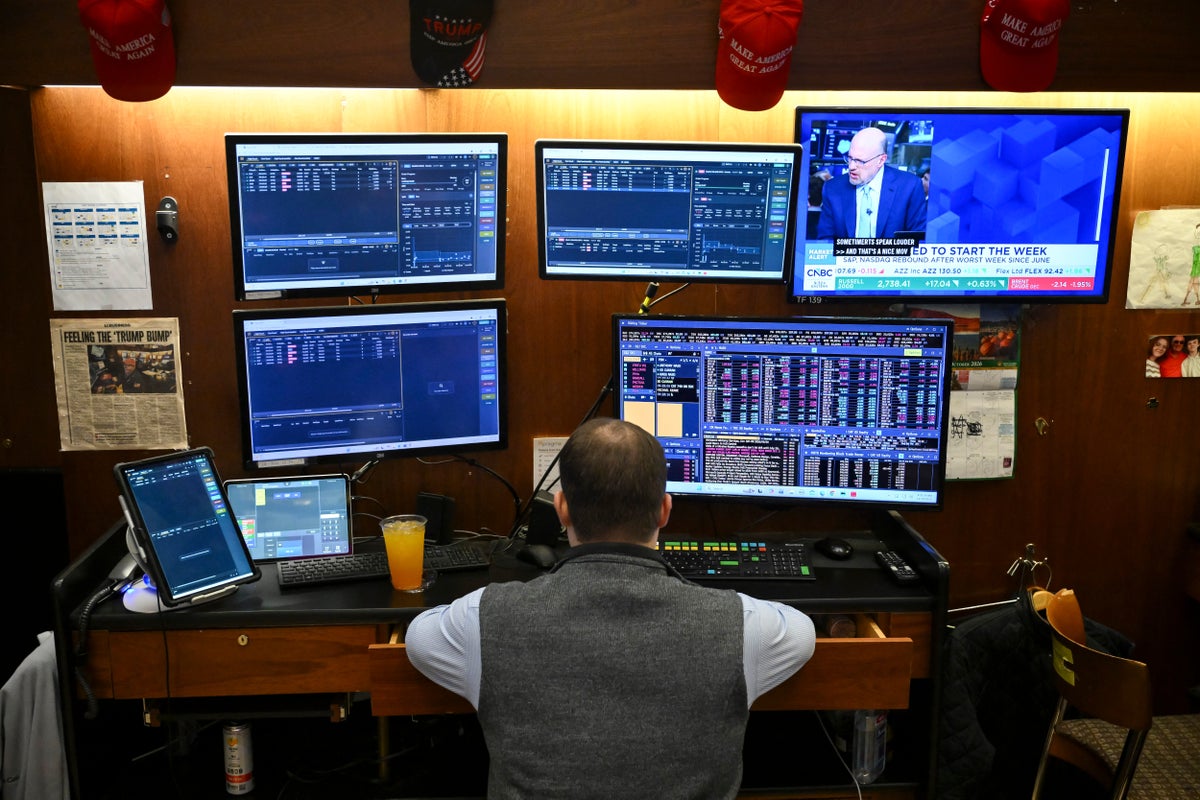
AI stocks plummeted Thursday - the worst day on Wall Street in more than a year - in the wake of Democrats’ sweeping midterm victories that saw the party regain control of Congress. AI hardware maker Nvidia’s stock slid 8 percent while Advanced Micro Devices plummeted 16 percent. CoreWeave, which rents access to AI chips through the cloud, tumbled 15 percent.
Investors appear to fear that Democrats’ regained control of Congress may bring more federal oversight of the AI data-center industry. According to one financial report , more federal involvement could slow down data-center construction by as much as 30 percent by 2028. And it’s not just lawmakers - voters pushed back on data centers in the midterms.
Of the 41 data-center measures on ballots, voters shot down or restricted data centers in 35 of the measures, according to Ballotpedia . But with AI companies now making up half of businesses in the S&P 500, The Independent explores how a rattled stock market could have consequences for Americans’ personal finances. After Republicans lost the House and Senate in Tuesday’s midterm elections, AI stock prices plummeted as investors feared that Democrats would hamper attempts to build data centers across the country (AFP via Getty Images) 401(k) fears Most 401(k)s - retirement funds offered by employers - are invested in the S&P 500, the largest, publicly-traded companies on U.S. stock exchanges.
But not every 401(k) is invested the same way. Stocks, also known as “equities,” can go through big swings, as AI-company equities proved Thursday. People in their 60s are likelier to invest more of their 401(k) in low-risk assets like bond and money market funds than equities to reduce the risk of decimating their retirement savings just as they need them.
A 401(k) investment in stocks starts at 89 percent, on average, when the account-holder is in their 20s and falls to 57 percent when in their 60s, according to a 2024 study from research and analysis firm Employee Benefit Research Institute. This means that it’s more likely that younger people’s 401(k)s will be hurt by the AI stock slide because their portfolios are more high-risk, high-reward. But if a retiree, for example, needs to pull money from the 401(k) now because of a financial emergency, “We tend to talk about retirement as though everyone reaches a certain age, stops working, and immediately starts living off their investments, but retirement looks different for everyone,” Nicole Carlon, a financial advisor with financial firm WiseOak Wealth, told The Independent in an email.
“Someone who needs to start withdrawing money during a market downturn faces a different set of risks. Having to sell investments when they're down to cover living expenses can have longer-term consequences for a retirement portfolio.” However, this week’s volatile stock market shouldn’t be a long-term problem because time typically evens out the highs and lows of a volatile stock. For those who are decades from retirement, a patient approach should guide decisions this week, Carlon said.
“And that's really the goal, making investment decisions based on what you're trying to accomplish with your money, rather than reacting to whatever is happening in the market that day,” she said. Tech troubles For investors who buy tech stock outside of their retirement account, Tuesday’s blue wave likely left them awash in pessimism. AI is intimately intertwined in the tech sector, as it requires a wide range of companies to turn a piece of land into a thriving data center.
Those companies range from AI leaders Alphabet and Meta to software platforms such as Adobe, semiconductor firms like Broadcom, Taiwan Semiconductor Manufacturing, Marvell Technologies, and tech giants like Nvidia. President Donald Trump fields questions from reporters after a meeting with AI leaders in September at the White House. Trump’s cooperative relationship with the AI industry helped keep investors optimistic about the future of AI data centers, but that optimism faded fast after this week’s midterms (Getty) And when AI stocks drop like they have this week, Silicon Valley also takes a hit.
That’s reflected in the performance of the Nasdaq, a stock index made up of many of the country’s biggest tech firms such as Apple, Nvidia, Microsoft and Meta. The Nasdaq was down 5.42 percent Thursday afternoon, a full 2 percent lower than the Dow Jones, which includes a range of stocks beyond tech firms. One key race in Tuesday’s midterms that amplified concerns about a slowdown in data center construction was in Texas after Democrat Gina Hinojosa defeated incumbent Republican Governor Greg Abbott.
Sprawling data centers like this one in Virginia have not only encroached on the fringes of neighborhoods, but they’ve stoked the ire of voters. Some 41 data center measures were on midterm ballots across the country. By Wednesday, voters shot down or approved restrictions on 35 of 41 measures (Getty) Her win sent shockwaves not only through political circles, but in the tech world because of Hinojosa’s distaste for data centers.
Texas is expected to account for nearly 30 percent of the country’s data center capacity set to go live in 2028, Bloomberg reported this week. “Hinojosa is a known anti-data center politician and negative on the AI buildout, which makes worries around the future of the data-center buildout in Texas a real issue for tech investors,” financial strategist David Ives said in a Morningstar analysis piece published Thursday. Morningstar maintains a 4-star rating for 11 top AI firms - the firm believes the companies are undervalued and will generate returns.
That list includes Nvidia, Taiwan Semiconductor Manufacturing, Broadcom, Meta, Alphabet, Tencent Holdings, Alibaba Group, Marvell Technology, Oracle, Adobe, Baidu and CoreWeave. Morningstar also notes that its Morningstar Global Next Generation Artificial Intelligence Index, a group of the top 50 AI firms in the market, is up 20.2 percent this year even with this week’s AI-stock downturn.
Source: The Independent