Tech Breaking
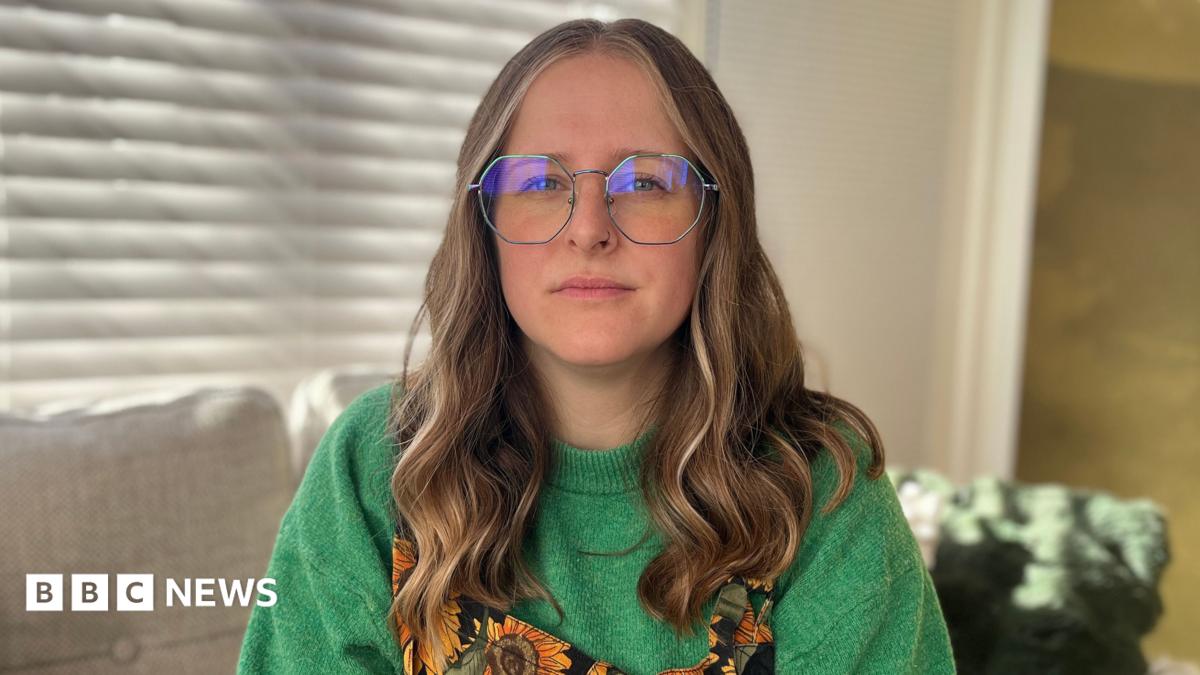
After undergoing two emergency Caesarean sections in 2018 and 2021, Kyra had hoped a planned procedure to deliver her third child would be different. The surgery, on 22 October 2025, had been scheduled because her baby was in the breech position, with his feet positioned first. Recalling the operation, the 36-year-old says: "They make it as comfortable as possible for you.
There's chatter and music playing, it's only afterwards you realise this is major surgery." Kyra, of Kibworth Beachamp in Leicestershire, says her recovery was "horrific" and she is still left with physical trauma. "Because I'd had two emergency Caesareans before, I had a baseline to go off," she says. "As it was planned, I thought it would be a lot better.
"Granted, on the day of the Caesarean I was really well looked after, but afterwards everything drops off. Everything's focused on the baby, but you've just had open surgery. I took ages to heal." A year on, Kyra has pelvic floor problems, bladder symptoms and is still dealing with pain around her scar, which she says took five months to fully close.
She adds: "My scar, especially on one side, is very pulled in. It affects day-to-day life; just walking, any physical activity that I do, even when I laugh there is a tug, there's pulling. And also just the look of it, it's a big change." Kyra felt she received "standard care" after her first two Caesarean sections for daughter Thea and son Elijah, but found her recovery from her most recent procedure "a lot worse".
She is now backing a campaign calling for improvements to postnatal care for new mums whose children are delivered by Caesarean section. A Caesarean section, or C-section, is a major operation to deliver a baby through a cut in the mother's abdomen. According to NHS data, about 45% of babies born in England are delivered by Caesarean.
The NHS website states , external most women can go home one or two days after having a Caesarean, if there are no complications, and that they may experience discomfort for the first few days. It adds: "When you go home, you'll need to take things easy at first. "You may need to avoid some activities, such as driving, until you have had your postnatal check-up with the doctor at six weeks." Before leaving hospital following a Caesarean section, women may receive advice from a physiotherapy team about exercises and recovery after childbirth, depending on local hospital arrangements.
Women are encouraged to inform their midwife if they need stronger pain relief. Healthcare professionals should also assess each woman's risk of developing deep vein thrombosis, as Caesarean sections increase the risk of blood clots. Kyra and her baby, Tobiah, were discharged from hospital the day after the surgery and received routine visits from midwives and health visitors, and attended a six-week post-birth check-up with a GP, as is standard.
At an early midwife appointment, she was referred back to hospital due to an infection and how her scar was healing, but due to the condition of her scar, Kyra eventually sought help from private healthcare services. She says: "I felt left to manage my recovery by myself and if there was better postnatal support, then I wouldn't be suffering the way that I am today. "If you're having other major surgery like a knee or a hip operation, you'd probably expect to have some type of rehabilitation afterwards like physiotherapy.
There is nothing offered to C-section mums. It's sad." Kyra is backing a petition, which is calling on the government to fund improved post-Caesarean care across the NHS, which has been signed more than 2,000 times. The government will respond to the petition if it reaches 10,000 signatures, and if it reaches 100,000, it will be considered for a debate in Parliament.
Started by Hannah Poulton, from Broughton Astley in Leicestershire, it says standardised scar care, abdominal rehabilitation, pelvic health and mental health support "should be basic care following major abdominal surgery". The petition states: "'Rest and don't lift anything heavy' is not enough now. "Mothers deserve consistent, evidence-based support and properly trained professionals to improve recovery and outcomes." Hannah, a women's health physiotherapist, says recovery from her own Caesarean was difficult.
"I found it painful to move and I was unsure of how I should be recovering even though I'm a women's health physio," the 47-year-old adds. "You feel very vulnerable and isolated and, while I received the standard care available, I didn't feel it was enough. "Nine years later, I'm seeing women come to my clinic with similar concerns every day and their experiences of birth and recovery are getting worse." Hannah says the stories she hears are "so similar" and the women she sees feel they have not received enough support and guidance on how to recover.
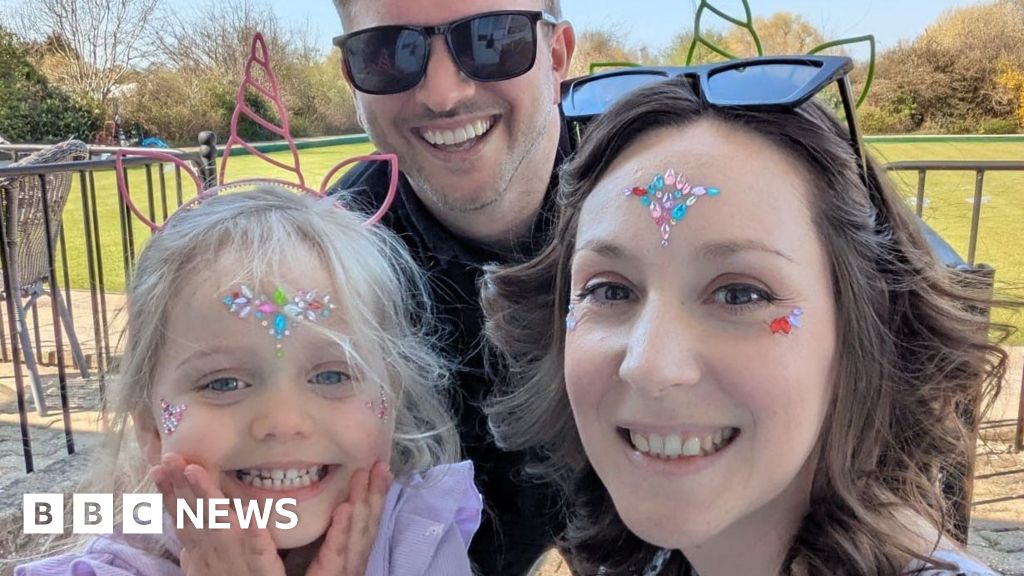
She adds: "They want to care for themselves, recover well, but they have no idea how to. "I'm not asking for a huge amount, for basic level care." Kyra has thrown her weight behind the petition, adding her experience had been physically and mentally exhausting. "Instead of enjoying those precious early months with Tobiah, so much of my time and energy went into worrying about my health, attending appointments and fighting to be heard," she says.
"You only get those newborn days once, and I feel like some of that time was taken away from me - that's why the petition means so much to me." Maxine Palmer, from the charity National Childbirth Trust, says most women are signed off from midwifery care 10 days after giving birth, when health visitors and GPs in the primary care sector take over. She adds: "Women are faced with a very fragmented system that isn't joined up between maternity care and their postnatal care, which spreads across multiple different services and as a result of that women are failing to get the physical and mental health support they need following Caesarean birth." According to the Department of Health and Social Care, all women should be offered a GP postnatal consultation six to eight weeks after birth with perinatal pelvic health services and maternal mental health services now available. In a statement, a spokesperson said: "Every woman and baby deserves safe, compassionate maternity and neonatal care and the health and social care secretary is determined to improve standards across the country as a personal priority.
"Through the National Maternity and Neonatal Taskforce that she is chairing, this government will deliver the reforms needed to ensure the very highest standards of safety and care for every mother and baby. "Our renewed Women's Health Strategy commits to improving postnatal support for women's physical and mental health in the community, while the updated Healthy Child Programme guidance sets clearer standards to assess mothers' physical and mental health needs and ensures that support is available after pregnancy."
Source: BBC