Tech Breaking
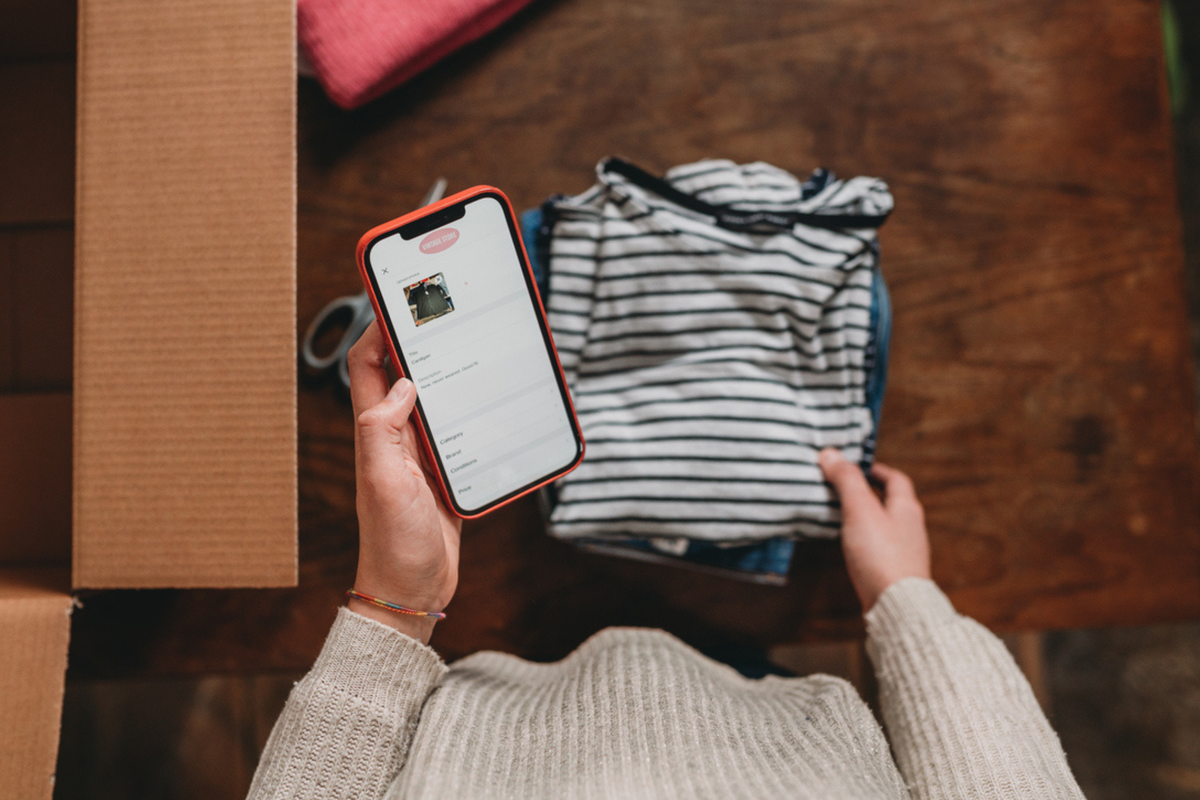
The amount side-hustlers can earn without paying tax is set to rise by £2,000, giving a boost to Vinted and eBay sellers. About 1.4 million people who make extra cash from reselling clothes , offering dog-walking services and tutoring could benefit from the change, which was announced in the Budget . Side-hustle culture has seen a boom in recent years as households are faced with rising bills and food costs.
Last year, 2.6 million people made money selling items on eBay, Vinted and Etsy, according to HM Revenue and Customs ( HMRC ) — but in 2024 that figure was just 450,000. However, there is a limit on how much money side-hustlers can make before paying tax. Side-hustlers can earn £2,000 more without paying tax (Getty/iStock) What tax rules have changed?
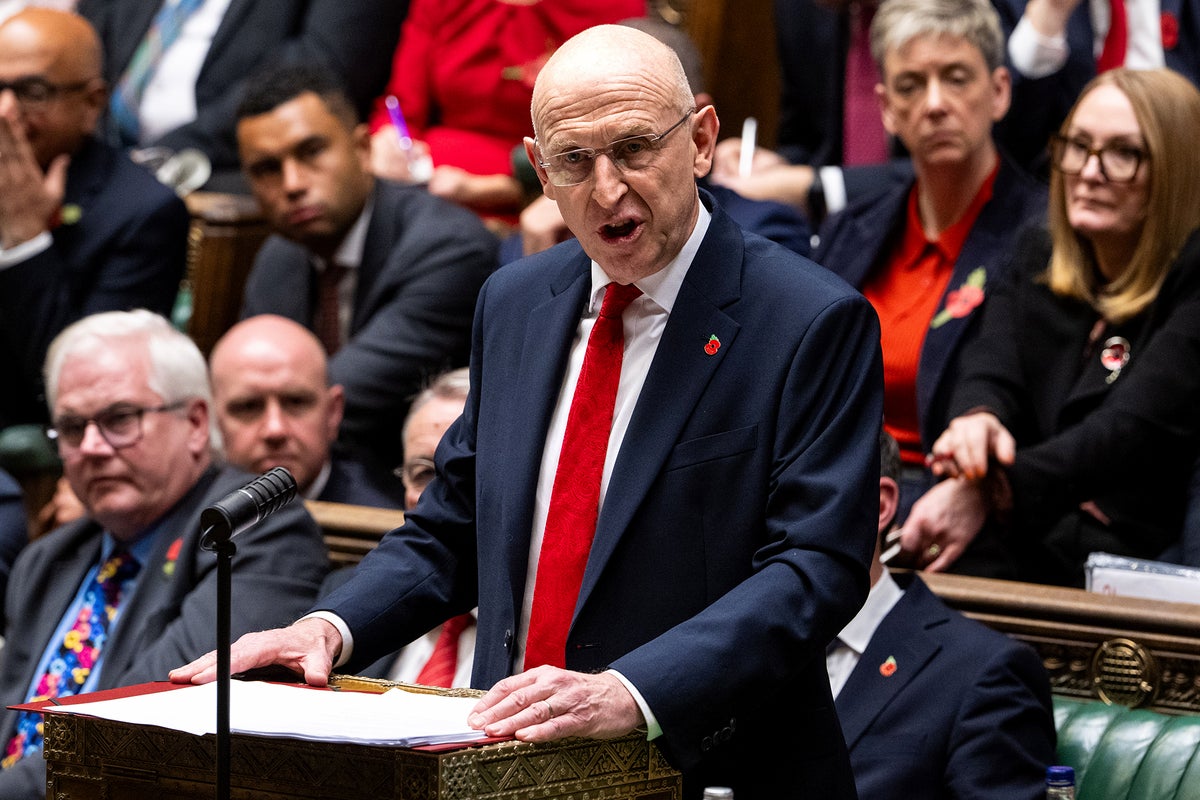
The chancellor, John Healey , announced in the budget that the amount Britons can earn from a side hustle without paying tax would rise from £1,000 to £3,000 in April 2027. Last year rules came into force requiring platforms, such as eBay, to inform HMRC about how much their sellers made. HMRC now has data on sellers who made more than 30 sales or £1,700 (€2,000) on any platform over the past year.
How much do you need to make to start paying tax? From April, anyone who earns more than £3,000 in a tax year from making or buying things to sell for a profit, as well as any other side hustles, will need to inform HMRC. The tax year runs from 6 April to 5 April.
This is the amount earned before factoring in expenses, not just the profit. According to HMRC, side-hustlers may have to pay tax if their total income, including their main job, is above the basic personal allowance of £12,570. Currently those who have earned £1,000 or less from their side-job do not need to inform HMRC and from April those who earn £3,000 or less will not need to let them know.
HMRC now has data on sellers who made more than 30 sales in the past year (Getty/iStock) Invest at least £100 in Stocks or ETFs of your choice. Get fractional shares worth £50! Terms and conditions apply.
Go to website ADVERTISEMENT Invest at least £100 in Stocks or ETFs of your choice. Get fractional shares worth £50! Terms and conditions apply.
Go to website ADVERTISEMENT How do you inform HMRC? To inform HMRC of any side-hustles, sellers will need to register for Self Assessment as a sole trader. That’s because HMRC likely classifies these side hustles as “trading”.
Traders need to register by October 5. What is classed as selling for a profit? Buying items at a cheaper price from a car boot sale or charity shop with the intention of selling the item for more money, would be classed as selling for a profit by HMRC.
Other examples include upcycling second-hand furniture, buying wholesale bundles of vintage clothing and reselling them individually online. HMRC also gave the example of selling downloadable art prints or bespoke pet portraits. Anyone earning more than £3,000 on selling these items would need to inform HMRC.
What do you not pay tax on? Although upcycling and reselling in bulk is classed as selling for profit, selling unwanted belongings like clothes or old toys is not and you don’t usually need to tell HMRC. HMRC only needs to know about it if a single item sells for more than £6,000 and most old clothes, shoes and toys are not worth anywhere near this figure.
How do you know if it’s a hobby or a side hustle? A side hustle is a way of earning extra money outside your main job, usually on a self-employed or freelance basis. It’s different from a second job.
Working for an employer, such as in a bar or shop, is usually be paid through PAYE, with tax deducted automatically. With a side hustle, people are generally responsible for declaring any taxable income themselves. A side-hustle has grown bigger than being just a hobby if a seller is making more than £1,000 a year according to HMRC.
But in April this figure will increase to £3,000.
Source: The Independent